A Clinical Case by Dr. Abdulrahman Tariq
Endodontist — Iraq
Severe night pain often signals significant underlying issues. In this case, a patient presented with intense discomfort caused by a leaky restoration on an upper wisdom tooth. The improper previous restorative work led to secondary caries and irreversible pulpitis, ultimately requiring root canal treatment.
Upper third molars are among the most demanding teeth in endodontics due to their posterior position, limited access, and variable anatomy. This advanced case highlights how proper technique and the right instrumentation can turn a challenging situation into a predictable success.
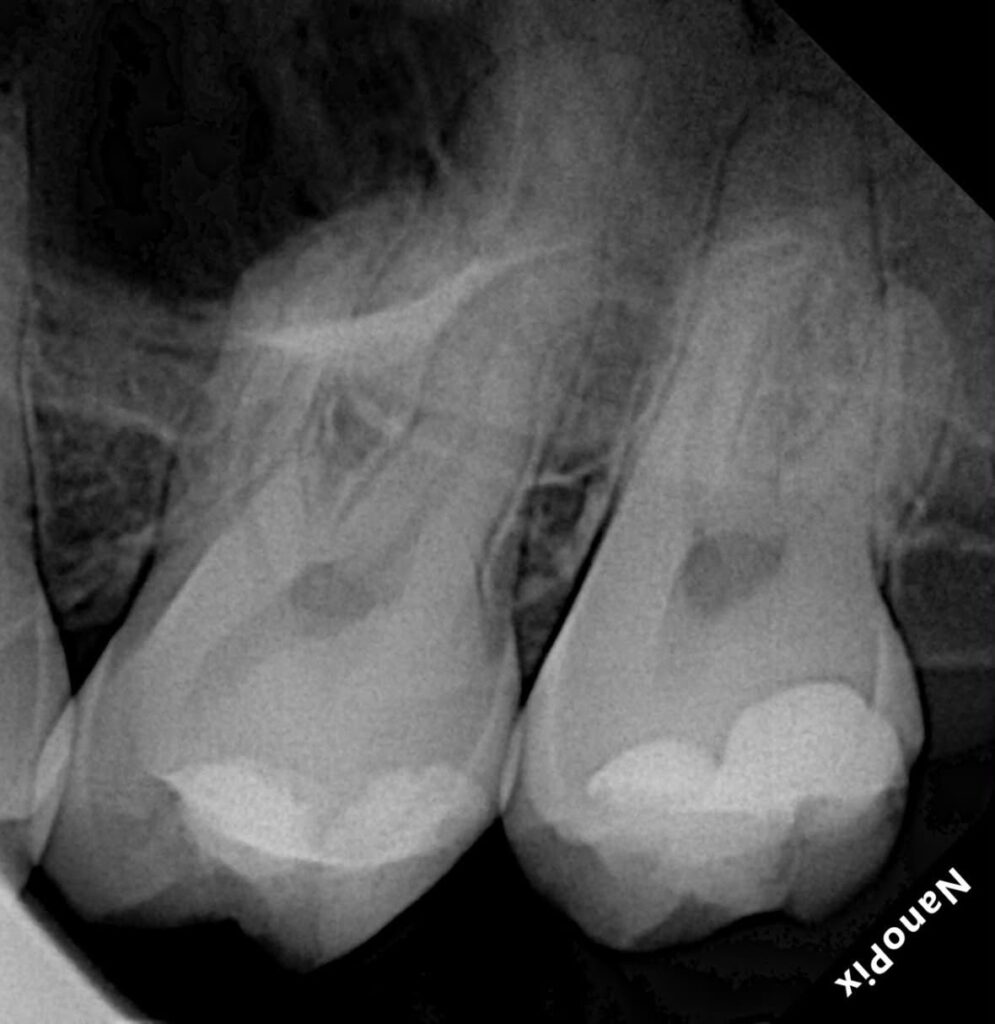
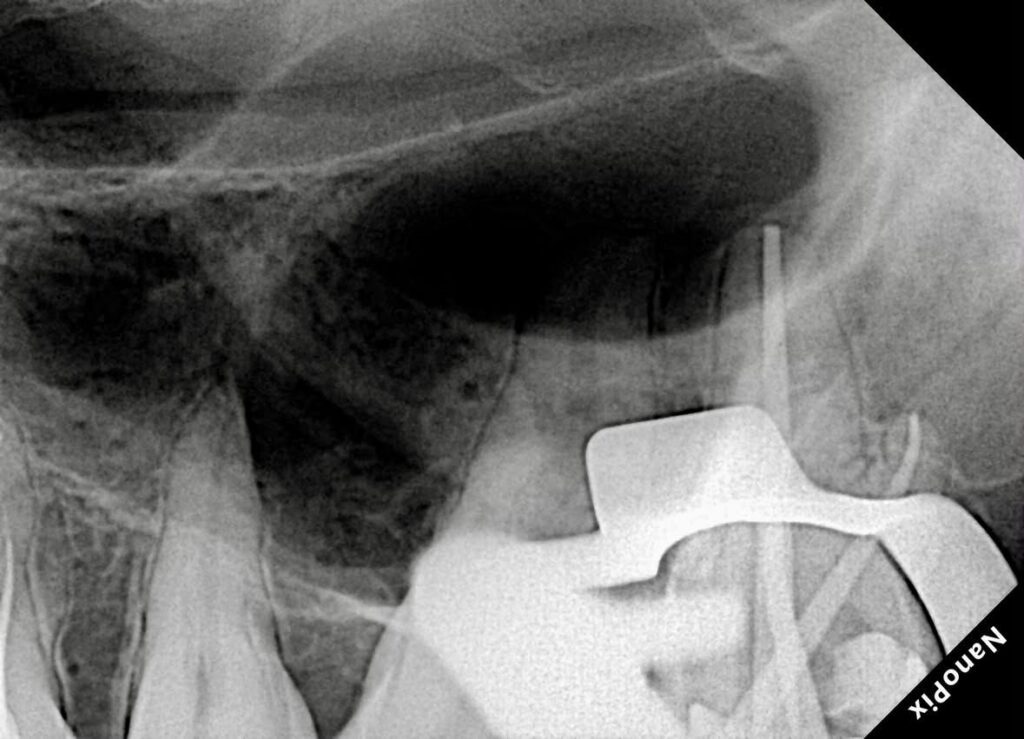
The Challenge: Difficult Access and File Stress Risk in Upper Wisdom Teeth
Treating upper third molars (tooth 18 or 28) presents unique obstacles. Restricted visibility, awkward angulation, and the risk of file stress increase the likelihood of procedural complications such as file separation. In this case, the tooth had already been compromised by secondary caries following restoration leakage, adding urgency to achieve thorough cleaning and shaping while minimizing risks.
The clinician’s primary goals were to create excellent access, negotiate the canals safely, and complete the procedure without compromising the instruments or the tooth structure.
Why Rogin EZ Files Excelled in This Case
The Rogin EZ series — particularly EZX, EZ1, EZ3, and EZ4 — played a central role in the success of this treatment. These NiTi rotary files are valued for their flexibility, efficiency, and ability to reduce stress during shaping in difficult-to-reach areas.
Key highlights of the instrumentation choice:
- EZX and EZ1 were instrumental in the initial phases due to their superior flexibility and gentle cutting ability, allowing safe negotiation in curved and hard-to-reach canals.
- EZ3 and EZ4 provided efficient progression while maintaining control.
- For the wide palatal canal, a larger apical size of 60.04 was used to match the anatomy appropriately.
By selecting these files, the clinician could focus on controlled shaping rather than fighting against file fatigue or excessive stress.
Clinical Workflow: Step-by-Step Approach
The treatment followed a disciplined protocol:
- Rubber dam isolation and access opening — emphasizing the principle “Access to success.” A well-designed access cavity is the foundation of any successful endodontic treatment, especially in posterior teeth with limited visibility.
- Shaping using the TCA technique (a controlled approach designed to minimize file stress in challenging upper molars). The sequence progressed as: EZX → EZ1 → EZ3 → EZ4, with the palatal canal shaped to 60.04 to accommodate its significant width.
- Irrigation protocol with activation to ensure effective disinfection of the canal system.
- Visualization support with a clear view mirror, which proved highly valuable for maintaining orientation and precision throughout the procedure in the hard-to-reach third molar.
- Obturation using the modified warm vertical compaction technique for a reliable three-dimensional seal.
This methodical workflow allowed safe and effective management despite the anatomical and positional difficulties.
Clinical Tips for Upper Third Molar Endodontics
- TCA technique is highly effective for reducing file stress in hard-to-reach upper molars.
- EZX and EZ1 flexibility is critical for safe initial negotiation in restricted access cases.
- Adapt the apical size to the actual canal anatomy — in this case, 60.04 for the wide palatal canal.
- Utilize a clear view mirror to significantly improve visualization during third molar procedures.
- Always prioritize proper access opening as the starting point for predictable root canal treatment.
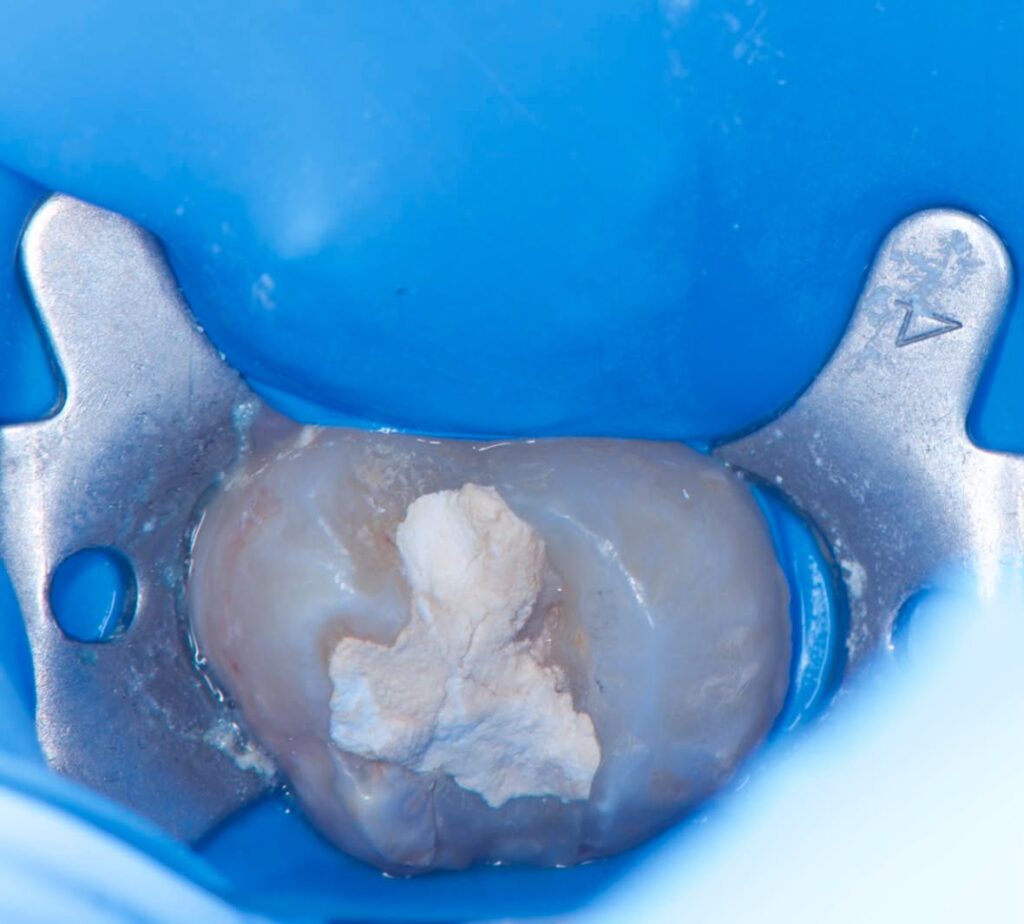
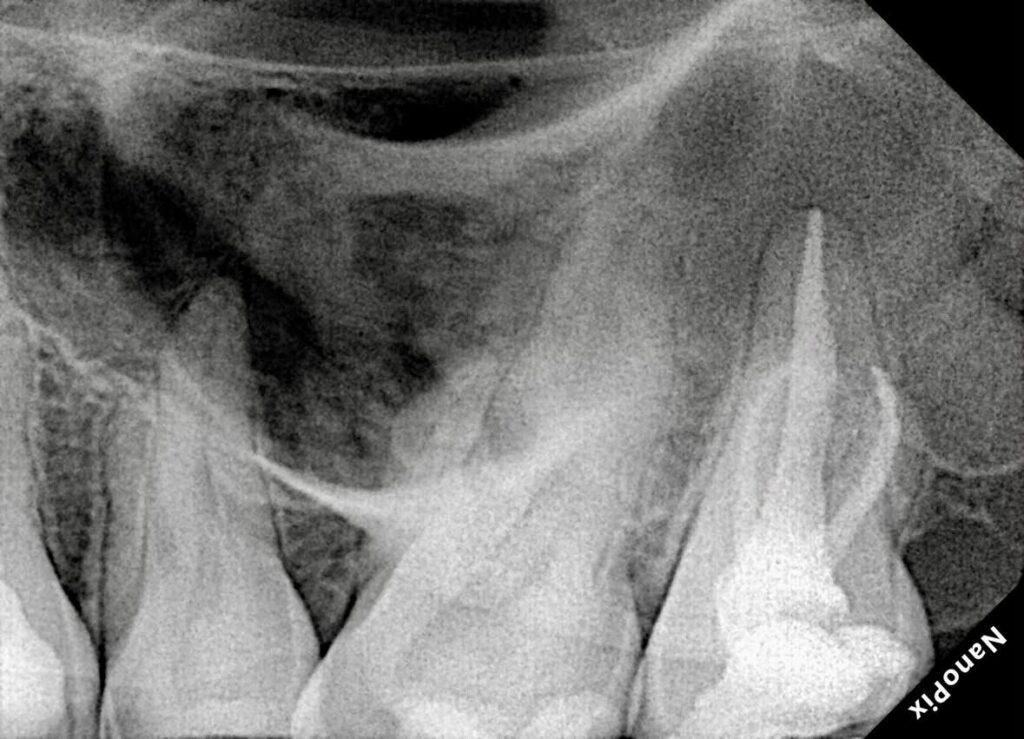
Final Thoughts: Precision and the Right Tools Deliver Success
Even in advanced endodontic cases involving upper wisdom teeth, success is achievable with sound principles, careful technique, and reliable instruments. This case of an upper third molar with secondary caries, leaky restoration, and severe night pain demonstrates how the Rogin EZ series supports clinicians in managing difficult access while maintaining safety and efficiency.
In endodontics, it is not just about reaching the apex — it is about doing so with control, respect for anatomy, and confidence in your instrumentation.
