Case by Dr. Abdulrahman Tariq (Iraq)
Successful endodontic retreatment remains one of the most demanding procedures in daily practice, especially when radiographic examination reveals incomplete obturation combined with missed canal anatomy. This case illustrates a systematic approach to retreating a symptomatic mandibular first molar (tooth #36) that presented with under-obturation and previously undetected anatomy.
Case Presentation
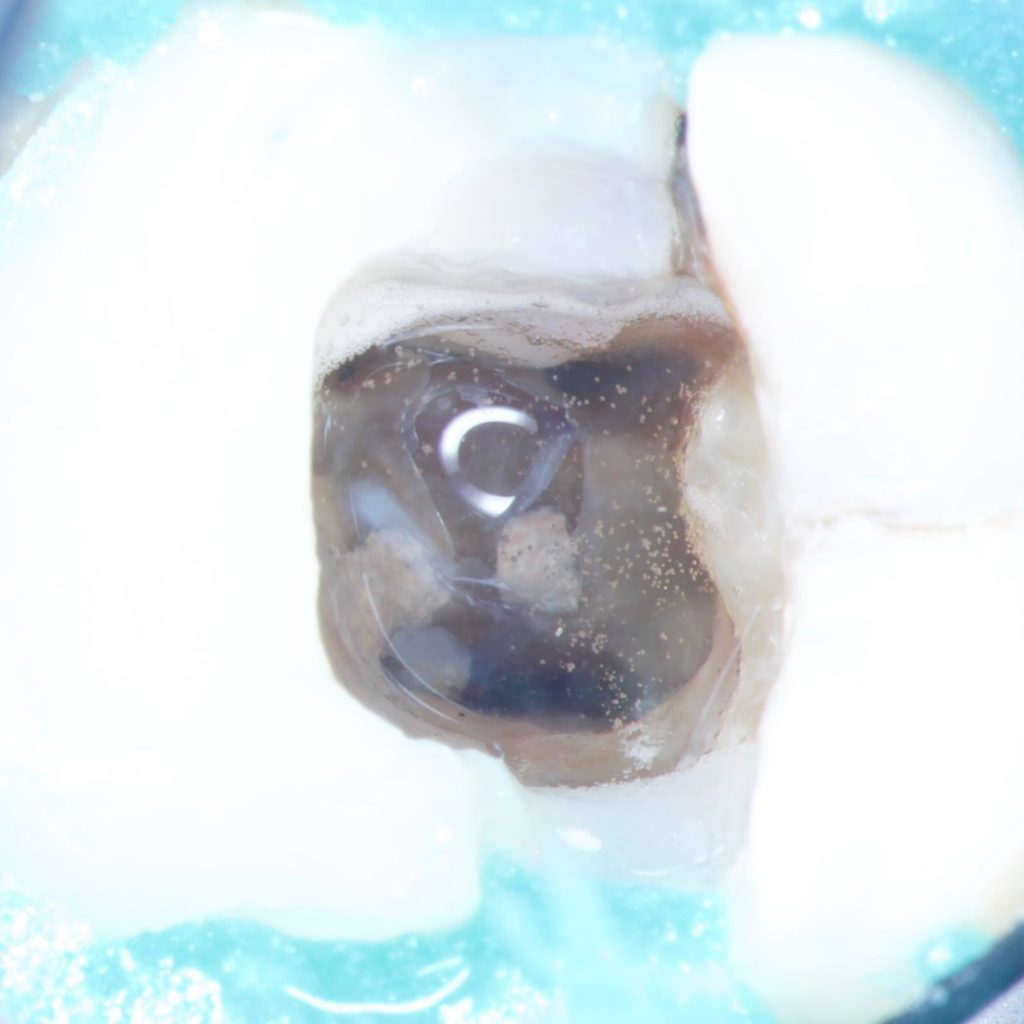
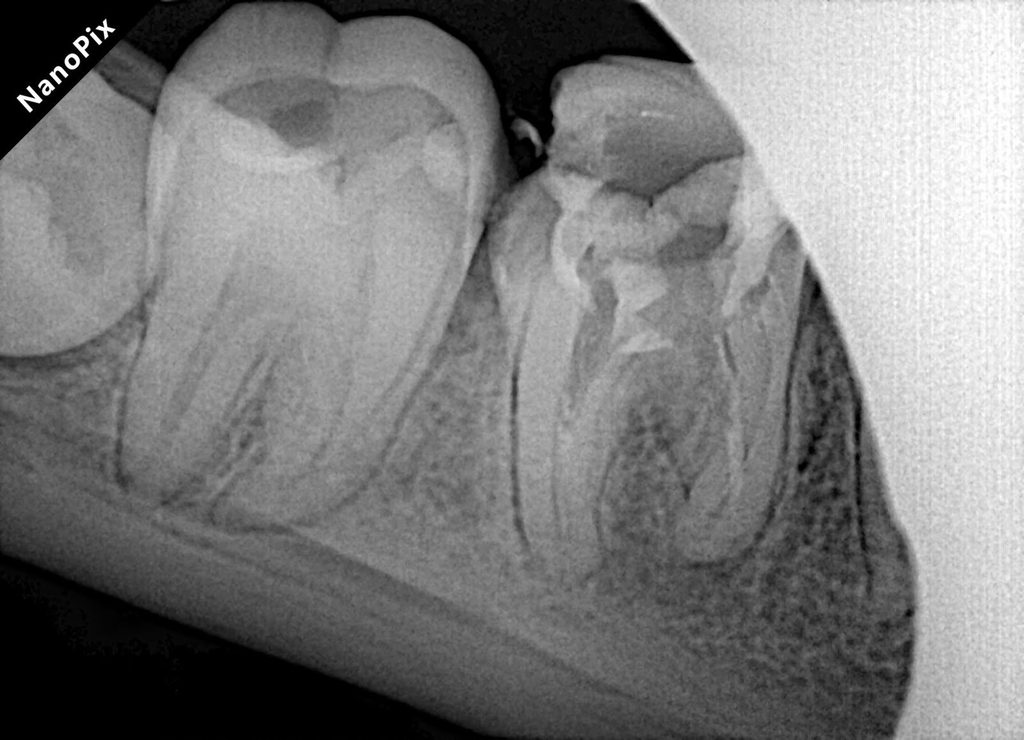
A patient presented with tenderness to percussion on tooth #36. Radiographic evaluation confirmed the presence of under-obturation as well as missed anatomy, consistent with the diagnosis of previously treated tooth with symptomatic apical periodontitis.
The primary clinical challenge was the thorough removal of residual gutta-percha, location and negotiation of the missed canal system, and achievement of a three-dimensional seal.
Clinical Workflow
1. Isolation and Pre-Endodontic Buildup
Rubber dam isolation was established after placement of a pre-endo buildup. Creating a coronal seal prior to retreatment ensures a liquid-tight environment, stabilizes the tooth structure, and maintains an adequate reservoir for irrigants throughout the procedure.
2. Coronal Desobturation and Flaring
The old gutta-percha was thermally softened using the Elite P heat carrier. Coronal flaring and removal of the coronal portion of the filling material were then performed with an SX file. Thermal softening significantly reduces mechanical stress on the flaring instrument and lowers the risk of ledge formation in previously treated canals.
3. Canal Instrumentation
Canal shaping proceeded sequentially with rotary instruments:
15/.04 → 20/.05 → 25/.04 → 25/.06 → 30/.04.
This progressive sequence allowed controlled enlargement while respecting the original canal anatomy and facilitating subsequent irrigation and obturation.
4. Irrigation Protocol
A thorough irrigation regimen was carried out with thermal activation/heating by the Elite P system. Heat-activated irrigation improves the chemical efficacy of the irrigants, enhances debris and biofilm removal from complex retreatment anatomy, and supports better debridement of the previously under-instrumented and under-obturated areas.
5. Obturation
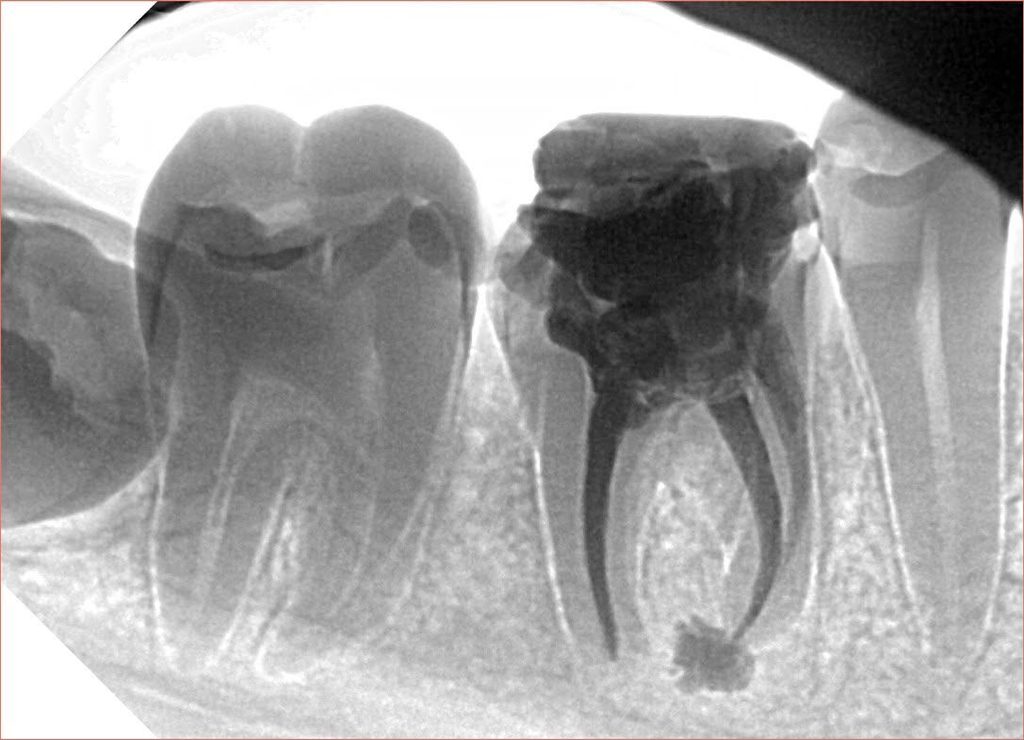
The canals were obturated using a modified warm vertical compaction technique in combination with a bioceramic sealer. This approach provides excellent adaptation to the canal walls and promotes a reliable apical and lateral seal, particularly valuable in retreatment cases where residual infection or incomplete previous fillings are common.
Clinical Tips for Predictable Retreatment Outcomes
- Always perform a pre-endodontic buildup before initiating retreatment. A stable coronal foundation is essential for reliable rubber dam isolation and effective irrigant delivery.
- Thermally plasticize residual gutta-percha with a heat carrier (Elite P) before introducing flaring files such as the SX. This simple step reduces file fatigue and helps prevent iatrogenic damage.
- Examine the pulpal floor and canal orifices meticulously under magnification. Missed anatomy is a frequent cause of persistent apical pathosis and must be systematically identified and negotiated.
- Incorporate intracanal heat activation of irrigants during endodontic retreatment. Thermal enhancement improves chemical debridement in complex, previously treated root canal systems.
Conclusion
This intermediate-difficulty case of endodontic retreatment of tooth #36 demonstrates that careful isolation, controlled thermal removal of old obturation material, progressive rotary shaping, heat-activated irrigation, and a well-executed modified warm vertical compaction technique with bioceramic sealer can successfully address under-obturation and missed anatomy. A methodical, magnification-assisted approach remains the foundation for predictable clinical outcomes in retreatment scenarios.
