Treating a lower third molar presenting with apical periodontitis, restricted access, and a curved apical third demands both careful planning and highly flexible instrumentation. This advanced clinical case from Nigeria, managed by Dr. Temitayo, illustrates a systematic approach to overcoming these challenges in tooth #48 (LR8).
Case Overview
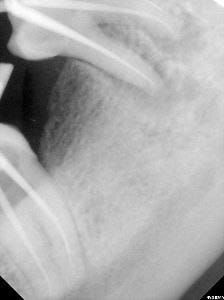
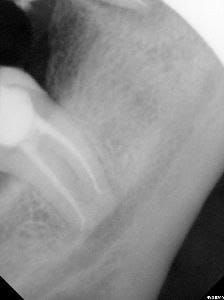
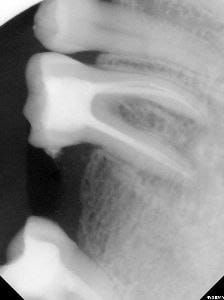
The patient required root canal treatment on the lower right third molar (tooth #48) due to apical periodontitis. Clinical and radiographic assessment revealed two significant obstacles: limited access to the tooth and a pronounced curvature in the apical third of the distal canal. These factors elevate the risk of ledging, transportation, or instrument separation if rigid files or an inadequate glide path are used.
Case Difficulty: Advanced (Poor Access + Curved Apical Third)
Tooth: #48 (Lower Right Third Molar / LR8)
Diagnosis: Apical periodontitis
Primary Challenges: Restricted access and curved apical third of the distal canal
Clinical Challenges
Third molars frequently present limited mouth opening and awkward angulation, resulting in poor access. When this is combined with apical curvature—especially in the distal canal—the clinician must rely on progressive hand-file preparation and highly flexible rotary instruments to safely reach working length and shape the canal without compromising the original anatomy.
Clinical Workflow
1. Access and Canal Location
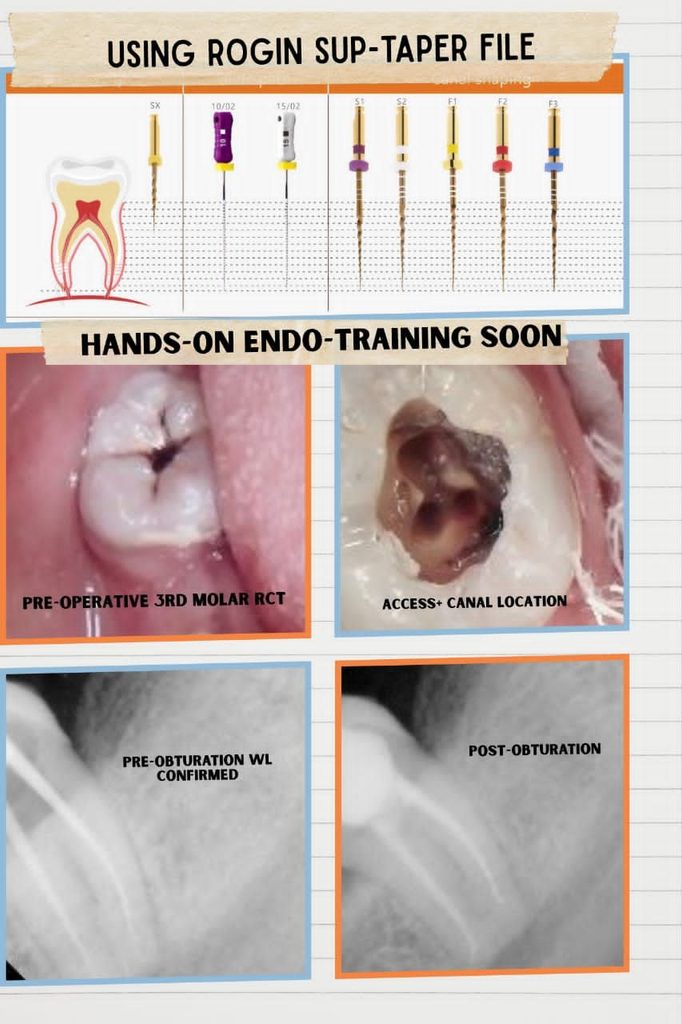
An access cavity was carefully created, and all canals were located. Given the restricted working space typical of lower third molars, precise orientation of the access was essential to allow subsequent instrumentation.
2. Glide Path Establishment
A progressive glide path was created using Rogin hand files in sequence: #08 → #10 → #15 → #20. This gradual enlargement established a smooth, reproducible pathway to the apex, significantly reducing stress on rotary instruments later in the procedure—particularly important in the curved apical third of the distal canal.
3. Working Length Determination
Working length was accurately established using the E-Mate pad combined with an electronic apex locator. Precise length control is critical when negotiating apical curvature under limited access conditions.
4. Canal Instrumentation
Shaping was performed with Super-Taper files driven by the E-Mate endomotor, accompanied by thorough irrigation using Rogin needles. The inherent flexibility of the Super-Taper instruments proved decisive in safely negotiating the curved apical portion of the distal canal despite the restricted access.
5. Obturation
The canals were obturated with Rogin gutta-percha and sealer, achieving a dense fill that followed the prepared canal anatomy to working length.
6. Coronal Restoration
The access cavity was restored to provide an effective coronal seal and protect the underlying root canal filling.
Key Clinical Insight
In the presence of poor access and a curved apical third of the distal canal in a lower third molar, the flexibility of the Super-Taper file system was instrumental in achieving safe and effective shaping without procedural errors.
Clinical Tips from Dr. Temitayo
- The flexibility of Super-Taper files is particularly advantageous when managing curved apical anatomy under restricted access conditions.
- A gradual hand-file glide path (#08 to #20) creates a safe, reproducible pathway that protects subsequent rotary instruments.
- Combining the E-Mate endomotor with an electronic apex locator ensures accurate working-length control even in difficult distal curvatures.
Conclusion
This advanced case demonstrates that apical periodontitis in a lower third molar with poor access and apical curvature can be successfully managed through a disciplined protocol: progressive hand-file glide path creation, precise electronic working-length determination, and the use of highly flexible Super-Taper instruments. By respecting the anatomical limitations and leveraging appropriate technology, predictable cleaning, shaping, and obturation were achieved.
Careful glide-path development and selection of flexible rotary systems remain essential strategies for overcoming the dual challenges of restricted access and apical curvature in third-molar endodontics.
